




The Dangers of Behavioral Finance
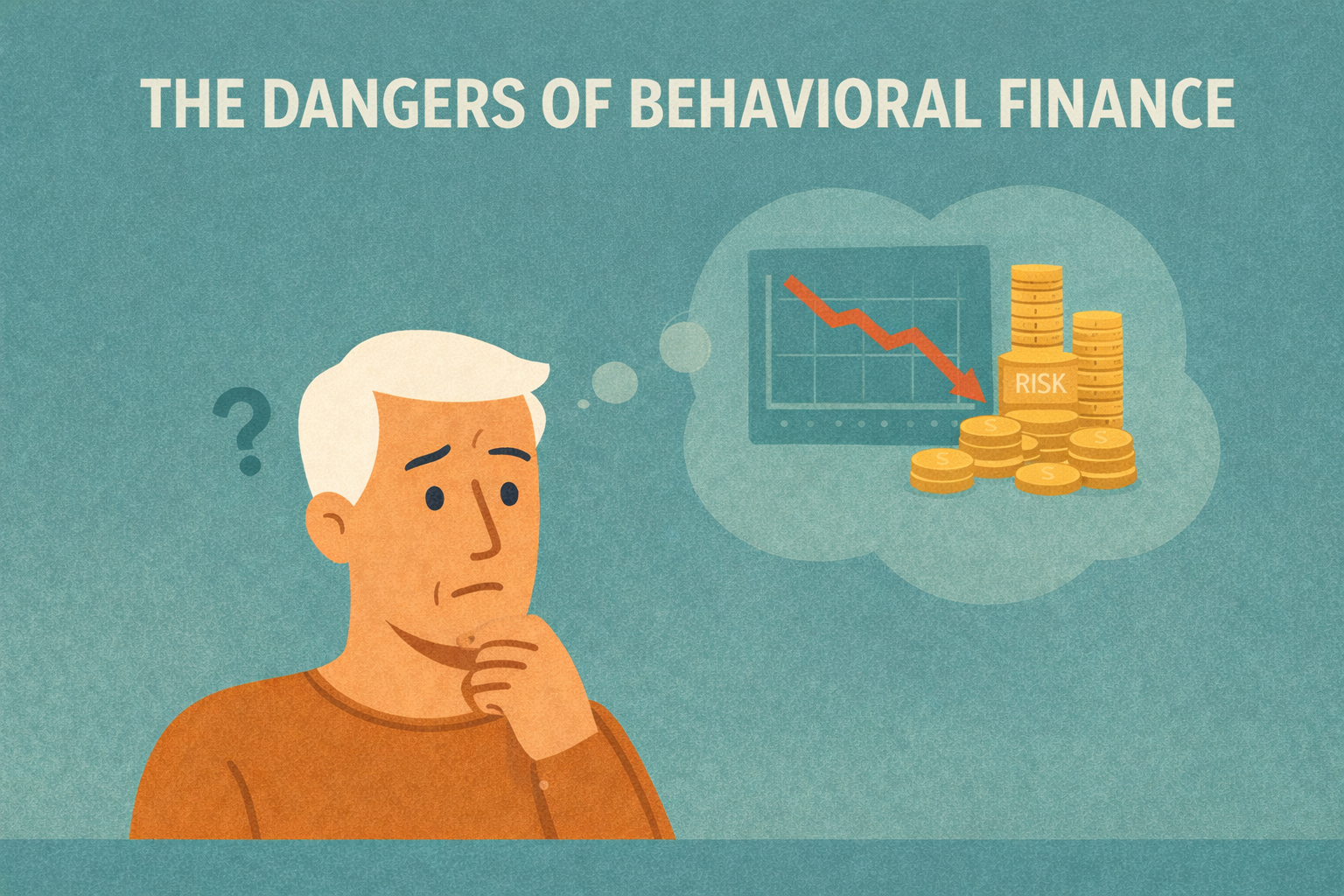
Even with a solid financial plan, most people still run into behavioral challenges that make saving, spending, or investing trickier than it needs to be. Being aware of these tendencies becomes the first step toward staying on track. Below are three of the most common pitfalls that are seen in the financial world.
1. Mental Accounting
It can be easy to think of certain dollars as “extra” or“ safe to spend,” while treating others more cautiously. This is called mental accounting. It shows up in everyday choices, such as spending a bonus more freely than regular income, letting cash sit in a low-interest account while still carrying debt, or taking different approaches across separate investment accounts. You will know you have overcome this mistake when you start seeing money as a tool rather than labeling it, making your decisions more purposeful and effective.
2. Hyper Focusing on Losses
It’s natural to notice losses more than gains, but this tendency can distort how we see progress. You might focus on a market dip, feel discouraged after a rough month, or hesitate to invest after short-term setbacks, even when your long-term plan is solid. Remember that growth rarely follows a straight line. Small setbacks are part of the journey, and keeping perspective helps you stay on track toward your goals.
3. Recognizing When Enough is Enough
Even when your plan is on target, it can be tempting to chase higher returns through riskier investments. Unnecessary risk can introduce stress or potential losses without meaningfully improving outcomes. This shows up in moving money from stable, diverse holdings into higher-risk bets, or concentrating too much on one asset or sector. Protecting the progress you’ve already made often matters more than pursuing extra gains.
Behavioral tendencies are part of being human, and everyone encounters them at some point. Awareness alone can make a huge difference.
When you pay attention to how money is framed, keep perspective on gains and losses, and make risk choices that fit with your own personal goals, you can ensure steady progress. With thoughtful, intentional decisions, it is more than possible to move confidently towards financial objectives while maintaining peace of mind along the way.